 +1 510 331 6699
 info@classicaltransportation.com

Jul
Warehousing services in the Bay Area: what businesses need to know
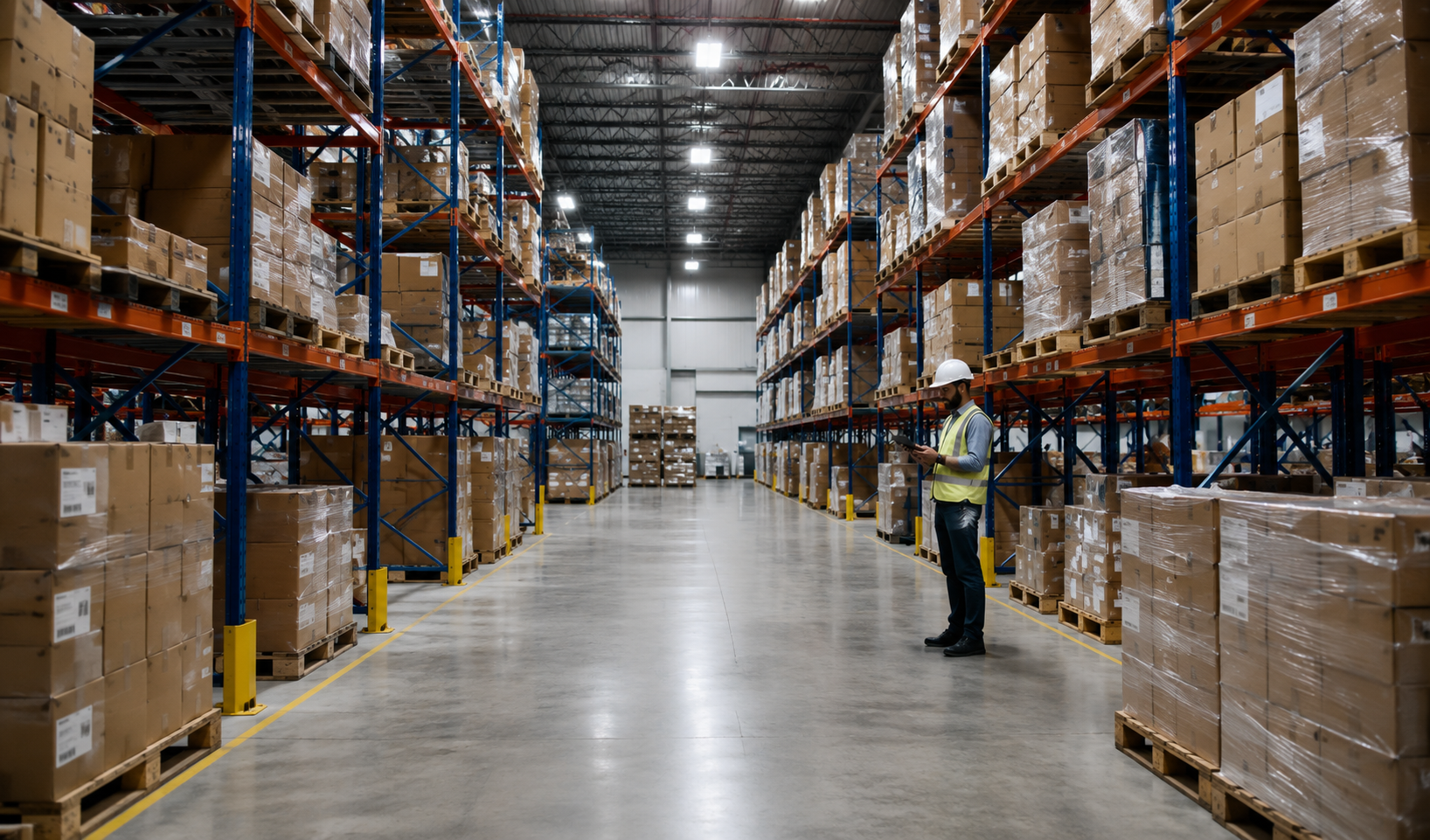
"The most common warehousing mistake Bay Area businesses make is treating storage as a commodity decision. The provider you choose determines how quickly orders ship, how accurately inventory is tracked, and whether your last mile delivery is integrated or creates a gap in the chain."
What warehousing services actually cover
The term warehousing covers a spectrum of services that range from simple pallet storage to fully integrated distribution operations. Understanding where a provider sits on that spectrum - and where your business needs sit - is the starting point for making a good decision.
Secure storage
At the foundation level, warehousing means physical storage in a secure facility. For Bay Area businesses, security requirements vary considerably by cargo type - general commercial goods, high-value electronics, regulated pharmaceutical products, and medical devices all have different storage and access control requirements. The minimum standard for any commercial warehousing engagement should include 24/7 surveillance, restricted access controls, and insurance coverage appropriate to the value of stored inventory.
Inventory tracking and management
Storage without visibility creates problems. A warehousing provider that can only tell you how many pallets you have in the facility - but not the lot number, expiry date, or pick sequence of individual SKUs - is not providing a distribution warehousing service, they are providing a storage unit with a loading dock. Real inventory management means real-time visibility into stock levels, location within the facility, inbound receipts, outbound movements, and accurate reconciliation at every cycle count.
Order fulfilment
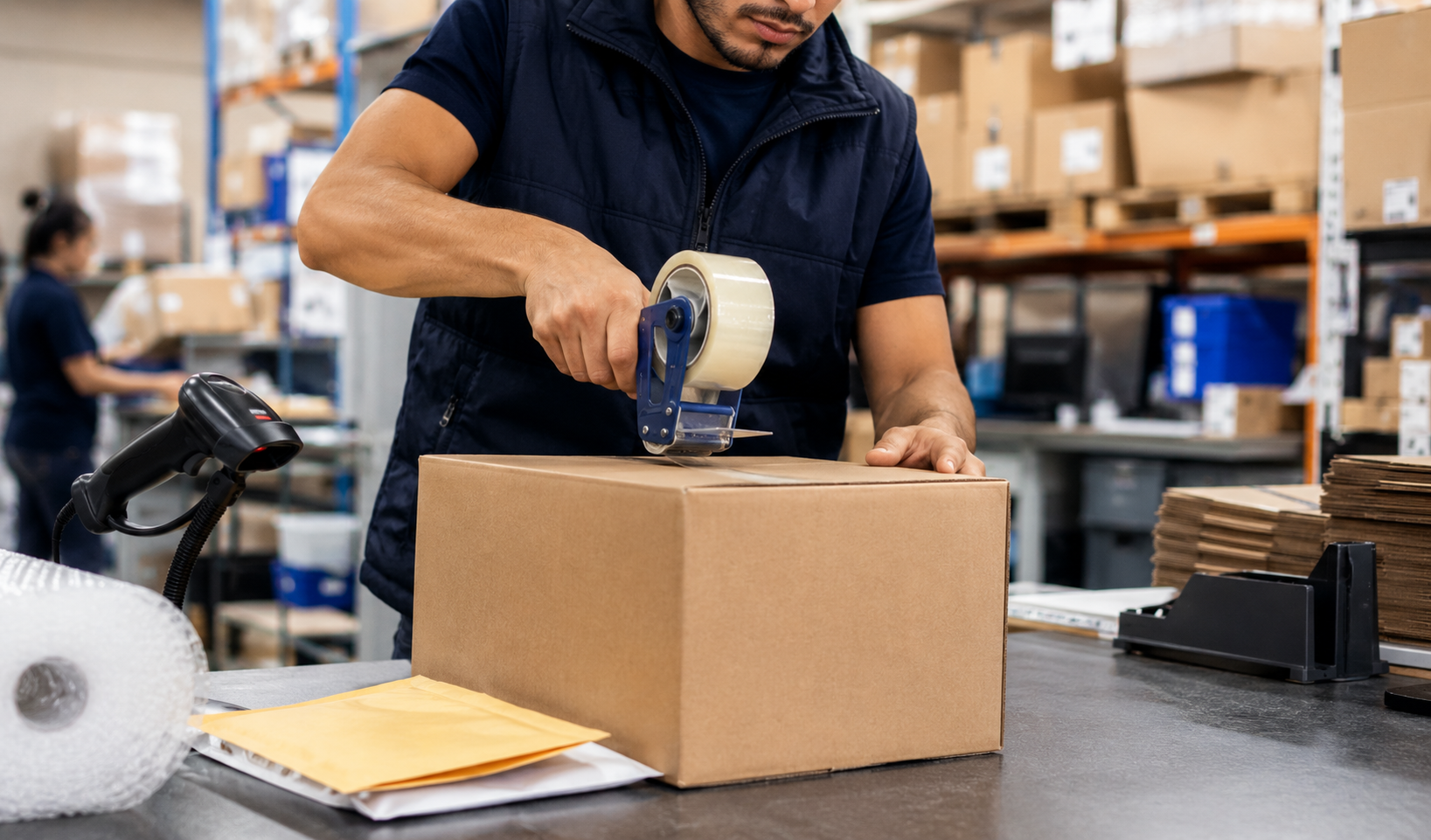
For businesses shipping directly to customers or end recipients, warehousing connects to fulfilment - the picking, packing, labelling, and preparation of individual orders for dispatch. The accuracy of this process directly affects customer satisfaction and return rates. A fulfilment operation running at 99% accuracy on 1,000 orders per month generates 10 errors - each of which is a customer experience problem, a return cost, and a replacement shipment. The difference between 99% and 99.8% accuracy at scale is significant.
Last mile delivery integration
Warehousing and last mile delivery are most effective when they are integrated rather than managed through separate vendor relationships. When the same provider handles storage, fulfilment, and last mile delivery, the handoff from pick-pack to dispatch is seamless - there is no gap in the chain where orders can be delayed, misdirected, or lost in a transition between providers. Classical Transportation's warehousing is directly integrated with our Bay Area courier and last mile delivery network, which means inventory stored in our facilities moves to final delivery without an external handoff.
Warehousing considerations specific to the Bay Area
Real estate costs and location
Bay Area industrial real estate is among the most expensive in the United States. For businesses that do not need to own their warehousing infrastructure, third-party warehousing converts a fixed real estate cost into a variable operational cost that scales with inventory volume. A distribution warehouse in Hayward or the East Bay provides access to the full Bay Area market via the highway network without the San Francisco land cost premium.
Multi-city distribution requirements
Bay Area businesses frequently need to distribute across multiple cities - San Francisco, Oakland, San Jose, Sacramento - each with its own traffic patterns, access constraints, and delivery timing requirements. A warehousing partner with genuine knowledge of these routes and staged coverage across the region operates differently from one running standard route algorithms that do not account for Bay Area geography.
Pharmaceutical and healthcare storage
The Bay Area's concentration of healthcare facilities, biotech companies, and pharmaceutical operations creates specific warehousing demand for temperature-controlled storage, chain-of-custody documentation, and compliant handling of regulated products. Not all warehousing providers can support this category - confirm temperature capability, validation records, and handling certifications before committing to a provider for regulated pharmaceutical or medical device storage.
What to ask a Bay Area warehousing provider
- What security systems are in place - surveillance, access controls, monitoring - and what is your claims process if inventory is damaged or lost?
- What inventory management system do you use and can I access real-time stock visibility?
- How flexible is your storage capacity - can I scale up or down based on seasonal demand without long-term commitments?
- Do you handle order fulfilment in-house or is picking and packing outsourced?
- How does warehousing connect to last mile delivery - is there a seamless handoff or a separate vendor relationship?
- What temperature-controlled and specialised storage options are available if my products require them?
- What is your service area for last mile delivery from the warehouse?
Classical Transportation warehousing services
Classical Transportation provides distribution warehousing across the Bay Area, integrated directly with our courier and last mile delivery network. Our facilities offer 24/7 secure storage, real-time inventory tracking, order fulfilment, and seamless connection to delivery coverage across San Francisco, Oakland, Hayward, San Jose, Sacramento, and Los Angeles.
For businesses evaluating Bay Area warehousing options, contact us at +1 510 331 6699 or info@classicaltransportation.com. You can also review our full capabilities on the distribution warehouse service page or read our related article on what businesses should look for in a Bay Area distribution warehousing partner.